This is unabashed nostalgia. Amongst the sources of social and cultural analysis that helped shape and direct my thinking were four journals / papers to which I used to subscribe.
The Listener, that venerable BBC weekly summary and wider analysis of radio content, cultural and political comment, book reviews and regular columns by people who could write. I bought books I would never have thought of buying, or known about, from the 1970s until it eased in 1991. One example, the biography of Helen Waddell, by the polymath nun Dame Felicitas Corrigan – which I still have.
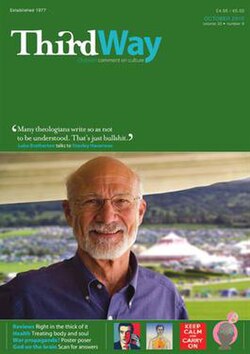
Third Way, a monthly Christian Journal aimed at the evangelical market and beyond. It offered up to date engagement and thoughtful Christian responses to all kinds of social issues such as racism, causes of poverty, environmental ethics and much more. The book reviews again pushed me into areas too important to be ignored by those whose ministry included preaching, pastoral care and community building in and beyond the church. There was nothing like Third Way, and its closure in 2016 was a significant loss of stimulus and good information.
The Church Times is still going, and until recently I subscribed to the paper and digital versions. I probably will again but it did get fankled up in C of E politics for a while, , with much less wider comment on wider Christian stories. But throughout the years of my active ministry I appreciated the corrective conversations with a different Christian tradition.
I’ve always read the Expository Times, ever since 1972! And I once bought for pennies a huge box of back issues going back into the 1950s which I spent many a happy hour browsing. I now read it online. Way back in the early 1980s my more agnostic friend used to pick it up monthly from the Church of Scotland bookshop in Buchanan St on his way home from work at Strathclyde University. There’s a fascinating article waiting to be written on the changes of style, content, format and implied readership of a journal for clergy that has run continuously since 1889.
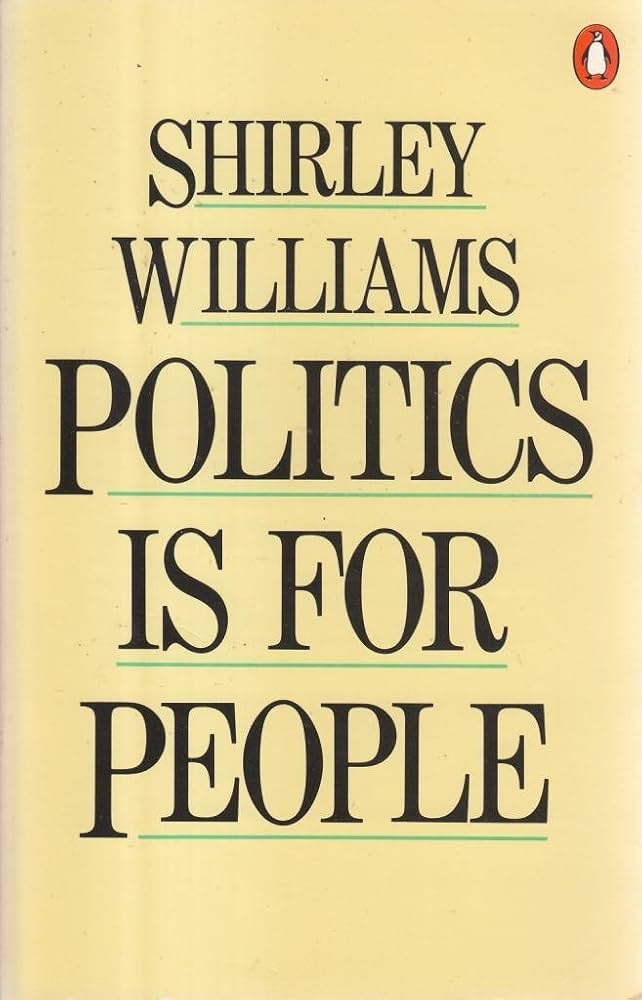
Nostalgia is no bad thing. It’s a way of appreciating what we once had and have since lost. Our more immediately available and often less reflective journalism and cultural comment comes at us at digital light speed and quickly passes on, displaced by what comes next. One example of what I miss now and appreciated then: in 1981 Shirley Williams wrote a book, Politics is for people. Thoughtful, compassionate, informed by facts and robust human experience – light years from the defensive and tell all post-political office biographies of 21st century memoirs. That book deservedly made it on to the review lists of Third Way, The Tablet, The Listener and the Guardian Weekly.
The two images, the book by Shirley Williams and Stanley Hauerwas the American practical theologian, kind of sum up the rich diversity of voices from which we learn.
Leave a Reply