
Eklund speaks of “the many meanings of mercy”, and defines three categories: helping the needy, forgiving the offender, welcoming the outsider. Jesus said Blessed are those who do mercy, who act mercifully, who behave mercifully, who think and conspire and conjure up ways of showing mercy. Eklund mentions the ‘capaciousness’ of mercy – the elastic capacity it has to make space for the other. “Mercy is righteousness in action.”, according to Luther.
“Mercy is defined as the opposite of cruelty.” If the merciful are blessed, what is the state of the callous and cruel, the violent and vengeful – and what will they ‘obtain’ from God?
Gregory of Nyssa says mercy is “a voluntary sorrow that joins itself to the suffering of others.” Playing the same music, Calvin is an apologist for empathy. On behalf of those suffering under affliction he wrote: “We must assume their identity, as it were, so as to be deeply touched by their suffering and moved by love to mourn with them.” Mercy is “the grief we experience from the sadness of others.”
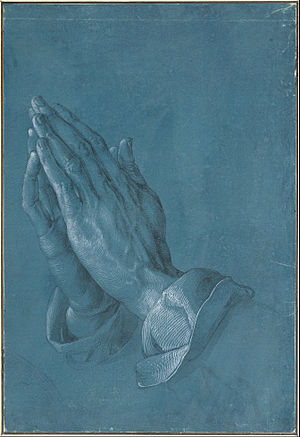
When we pray, “Lord have mercy.” I guess our prayers have to carry the weight of such words, the presupposed tears of shared hurt opening ourselves to the fear and sadness and creeping despair of those whom life has broken.
So, yes, the words of Jesus begin to sound even more demanding, requiring of us a way of looking at the world, and seeing other people, and understanding the human condition caught up in the tragic consequences of the absence of mercy.
“Blessed are the merciful, for they shall obtain mercy.” These are words that summon us. ” Lord have mercy!”, is a prayer in response to that summons. And I genuinely wonder, and perhaps even hope, does that prayer also imply, “Lord, judge the merciless.”?
Leave a Reply