Category: Uncategorised

  • TFTD Mar 2-8: The Kingdom of God is Justice and Joy.

    Monday

    The kingdom of God is justice and joy;
    For Jesus restores what sin would destroy.
    God’s power and glory in Jesus we know;
    And here and hereafter the kingdom shall grow.

    Justice is about putting things right, restoring what is stolen or broken. The Kingdom of God is like that. Under the reign of God the broken is restored, the lost is found, the sinful are forgiven, and the hopeless get another chance. If we ask how that happens, the hymn is unabashed – it’s because in Jesus God’s power and glory are revealed, demonstrated, and made effective in transformed lives and communities. The Kingdom of God is the blossoming of joy rooted in soil fertilised by God’s justice.

    Tuesday

    The kingdom of God is mercy and grace;
    The captives are freed, the sinners find place,
    The outcast are welcomed God’s banquet to share;
    And hope is awakened in place of despair.

    The hymn is cumulative – the Kingdom of God is many things, including justice and joy, mercy and grace. These four lines turn the God-given Jubilee into the rhythms of poetry and music. Mercy and grace are of the essence of God’s love. Liberation, hospitality, welcome, and the biggest banquet ever, push the boundaries outward even to the despairing – and hope awakens. I often wonder if we as Christians have any real idea of God’s power and glory in the Jesus we know! This is the one who, wherever He walked – He left a trail of blessing – justice and joy, mercy and grace.

    Wednesday

    The kingdom of God is challenge and choice:
    Believe the good news, repent and rejoice!
    God’s love for us sinners brought Christ to his cross:
    Our crisis of judgement for gain or for loss.

    The Kingdom of God challenges everything we ever thought was important and demands that we make a choice – God or money and stuff; my way or God’s way; broad road or narrow path; self-love or self-giving love. This verse distils the values of every human life down to the truth of the cross, the final and ultimate evidence of “God’s love for us sinners”. That’s the crisis of judgement. When we kneel at the cross we are in that strange place of healing where repentance becomes rejoicing, loss becomes gain, and we discover justice, joy, mercy and grace.

    Thursday

    God’s kingdom is come, the gift and the goal;
    In Jesus begun, in heaven made whole.
    The heirs of the kingdom shall answer his call;
    And all things cry “Glory!” to God all in all.

    It’s one of the most important principles to get into our heads. Christian hope oscillates between now and not yet. Yes Jesus is risen! Yes Jesus is coming again! We live in the in-between time – our redemption is real and now, but its fullness awaits us when God will be all in all. The Kingdom of God is gift now, and the goal lies in the future. Or as Tony Campolo was fond of saying. “It’s Friday but Sunday’s coming.” And so is Jesus – until then the Kingdom of God is justice and joy, mercy and grace, challenge and choice, gift and goal – God’s power and glory in Jesus – we know!

    Friday

    Matthew 13.31-32 “The kingdom of heaven is like a mustard seed, which a man took and planted in his field. Though it is the smallest of all seeds, yet when it grows, it is the largest of garden plants and becomes a tree, so that the birds come and perch in its branches.”

    The Kingdom of God isn’t about the big stuff. The smallest seed planted in the right place is an organic miracle – life, growth, fruit and blessing to others, on a scale unimaginable to those who simply see a two millimetre seed. Jesus came preaching the Kingdom of God, and what he was preaching was a new source of life in God, renewed energy for service, restored hope and a call to venture everything, right now, on the truth of who Jesus is, what God is doing, and the chance to be part of it.

    Saturday

    Matthew 13.33 “The Kingdom of heaven is like yeast that a woman took and mixed into a large amount of flour until it worked all through and through.”

    Again huge results from tiny causes. The transforming power of yeast when mixed with flour and moisture is a culinary miracle. You wouldn’t believe what yeast can do to flour! But believe it we must because the outcome is bread! The Kingdom of heaven is that same organic, transforming, fermentation that turns life into newness, into something nourishing and life-giving to others. Or as the hymn said, “the outcasts are welcomed God’s banquet to share” – “and Jesus took bread, gave thanks, broke it, and gave it to them – this is my body, eat you all of it.”  

    Sunday

    Matthew 13.45-46 “Again the kingdom of heaven is like a merchant looking for fine pearls. When he found one of great value, he went away and sold everything he had and bought it. A pearl merchant is on the look-out for the ultimate beauty, the unaffordable must-have, that one priceless commitment that changes life forever. The Kingdom of God is like that moment of decision when everything else becomes relative and the pearl, this once is a lifetime pearl, takes absolute precedence. Trusting and following Jesus is that life-changing! What is on offer in the Kingdom of God is “A condition of complete simplicity / costing not less than everything.” (T. S. Eliot) This pearl merchant is our reminder of the supreme value and unimaginable beauty of the call of God to leave everything and follow Jesus, living the challenge and choice of faith, every day, in the kingdom of gift and goal, justice and joy, mercy and grace.

  • TFTD Feb 23-March 1 “Blessed assurance, Jesus is mine…”

    1 John 2.13b “I write to you, young men, because you have overcome the evil one.”

    Verses 12-14 should be read together. John is building an argument by explaining why what he writes is so important to everyone in these small church communities. Because their sins are forgiven; because from the beginning they have known Jesus; and now because they have overcome the evil one. Because of all that they can be assured they stand secure in their faith. Spiritual conflict is a daily reality for all of us. Temptation, discouragement, anger, lack of love and care for others, and the so many other ways we forget “we are not our own but bought with a price.” But if we live in the love of God, and depend on God’s grace, we overcome evil with good.

    Tuesday

    1 John 2.13c “I write to you dear children because you have known the Father.”

    Christians come to know the Father through the Son by the Spirit. John is clear about this all the way through his letter. God’s love is revealed in the Word of Life, through the Advocate who speaks to the Father in our defence, and through the Saviour who is the atonement for our sins – Jesus Christ the Righteous One. God is light, and in Christ God’s light we see light. God is love and it is through the love of God in Christ that we are drawn into that eternal relation of love that John calls knowing God. 

    Wednesday

    1 John 2.14a “I write to you fathers because you have known him who is from the beginning.”

    This is exactly the same as verse 13. Why does John say the same thing twice in a letter so carefully composed and so tightly argued? Actually, “from the beginning” is used eight times, and it is intended as a catchphrase. John is making sure that his people understand that the Gospel is the same now as it was “from the beginning.” The Father’s love has not changed; Jesus is the same One who was seen, proclaimed and testified from then till now. “Yesterday, today, forever, Jesus is the same.” That could be a paraphrase of John’s urgent reminder -from start to finish, from then till now, that which was from the beginning is still, and always, true.

    Thursday

    1 John 2.14bI write to you, young men, because you are strong and the word of God lives in you and you have overcome the evil one.”

    Assurance of salvation and confidence in God’s promises, is not self-generated. Our assurance isn’t based on our own strength to cling on and grow our own faith. We are kept by the power of God, or as John says we are strong because “the word of God lives in you”, dwells in you, occupies your heart. We overcome by the word of God, in the strength of the Spirit, and through the love of God in Christ. “God is love. Whoever lives in love lives in God, and God in him”. (1 John 4.16) We’ll come to that verse, but John is already building towards that climax with words of assurance and encouragement. Christian life is possible only because the word of God lives in us. “Blessed assurance, Jesus is mine” is one of the best commentaries on 1 John!

    Friday

    1 John 2.15 “Do not love the world, or anything in the world. If anyone loves the world, the love of the Father is not in them.”

    You can’t give the complete love and loyalty of your heart to two entirely different things. Jesus said as much when he said you can’t serve God and stuff, things, status, or money. John is not talking about God’s created world, but about the world of human enterprise organised for human benefit and control with no reference to God. The love of God is poured into hearts that are open to the grace, forgiveness and newness of the Gospel. From the very start God’s call was to choose between life and death, between love for God and love for whatever else we surrender to.

    Saturday

    1 John 2. 16 For everything in the world—the lust of the flesh, the lust of the eyes, and the pride of life—comes not from the Father but from the world.”

    Lust of the flesh means giving in to every selfish desire; lust of the eyes is greed in embryo, we see it, we want it, and must have it; the pride of life is that self-assertive throwing off of any authority or restraint that holds us back from the previous two lusts! John is a realist. He knows the heart is deceitful, the mind entertains thoughts that leads us into temptation; and the will is weak without the grace of God. So love not the world because it is not the true source of light and life. That belongs to the Word of Life and Light whom we have come to know in Jesus Christ.

    Sunday

    1 John 2.17 “The world and its desires pass away, but the person who does the will of God lives for ever.”

    If you live for the moment, the moment passes and nothing is permanent. If our desires, hopes and longings are centred on the material and visible world, we will be disappointed. Jesus said as much, and warned, “where your treasure is, there will you heart be also.” Treasure in heaven consists of the riches we have in Christ, our life of graced obedience and loving service dedicated to God in Christ, the transformed self even now being conformed to the image of Christ, and the vision of God in all the splendour and glory of eternal, creative and redemptive love.   

  • TFTD 1 John 2.6-13a The Light of Love Overcomes the Darkness of Hate

    Monday

    1 John 2.7Dear friends, I am not writing you a new command but an old one, which you have had since the beginning. This old command is the message you have heard.”

    ‘Dear friends’ is much weaker than the word John uses. ‘Beloved’ is the better word, especially in a letter that has love woven throughout. Like a theme in a symphony John keeps repeating the word love in all its variations – God’s love for the world, the believer’s love for God, Christians’ love for one another. Christians are ‘beloved’ because God has loved them, and we love each other because God’s love has called us into a loving community which manifests and practices the love of God in Jesus.

    Tuesday

    1 John 2.7Dear friends, I am not writing you a new command but an old one, which you have had since the beginning. This old command is the message you have heard.”

    Jesus said to his disciples in the upper room, “A new commandment I give to you, that you love one another as I have loved you.” What was new in Jesus’ reminder was Jesus giving an example to follow – we love as Jesus loved, serving one another in self-giving kindness, compassion and understanding. And yet, “Love your neighbour as yourself” is an old commandment, a way of being that is rooted in tradition all the way back to Moses. Now, as the new people of God, “as God’s chosen people, holy and beloved” that old commandment is given new currency.

    Wednesday

    1 John 2.8 “Yet I am writing you a new command; its truth is seen in him and in you, because the darkness is passing and the true light is already shining.”

    Yes, it’s an old commandment, embedded in the law – “Love your neighbour as yourself.” But it is nevertheless new in its application, and in its enabling grace. Jesus has intensified and deepened what love looks like. It is self-giving, forgiving, costly, upholding and encouraging. Anyone who was in that upper room when Jesus washed and dried feet would totally get this! There, that night, the darkness of brooding fear and resentment saw the true light shining when Jesus took the basin and the towel and gave them an enacted seminar on love as willing service and gentle toughness.

    Thursday

    1 John 2.9-10 “Anyone who claims to be in the light but hates a brother or sister is still in the darkness. Anyone who loves their brother and sister lives in the light, and there is nothing in them to make them stumble.”

    The claim to be a follower of Jesus has to be backed up by evidence, and that includes attitudes and behaviour consistent with Jesus’ own life and words. To hate another person is to live in that dark place of bitterness, jealousy, resentment, and self-protective distancing where such a person’s presence offends us. That’s not Jesus’ way. To love another person is, by contrast, to live in the light of generosity, to radiate affirmation, to enact forgiveness and reconciliation. To live in the light is to see the way ahead, and to follow that way with a heart transparent before God.

    Friday

    1 John 2.11 “But anyone who hates a brother or sister is in the darkness and walks around in the darkness. They do not know where they are going, because the darkness has blinded them.”

    John was one of those who wanted to call down fire on the Samaritans. He understand those darker passions of hate, as well as the simmering resentments of jealousy, offended-ness and dislike of difference. There are none so blind as they who will not see – hate refuses to see the person as a child of God, one made in the image of God, one for whom Christ died. That is a deep darkness of spirit that is only banished by the light and love of the God revealed in Jesus – the God who is Light and the God who is love. It is a practical impossibility to love God and hate another.

    Saturday

    John 2.12 “I am writing to you, dear children, because your sins have been forgiven on account of his name.”

    Our earliest experience of faith is that of forgiveness, acceptance with God, and the assurance that if we confess our sins God is faithful and just and will forgive and cleanse us from all unrighteousness. (1.9) Experienced forgiveness lies at the centre and heart of repentance and faith. John is reminding all his readers, they are forgiven and cleansed in Jesus’ name. In one sense we shouldn’t need to be reminded; on the other hand we are daily reminded as we confess our sins, and are again forgiven, that we are saved by grace through faith, accepted by god on account of His name.

    Sunday   John 2.13a “I write to you, fathers, because you have known him who is from the beginning.”

    By the time John wrote there would be at least one if not two generations of Christians had lived the life of faith in Jesus, and in fellowship with the Father. John is assuring those mature in the faith that what they believe goes back to the very beginning. They have known, and now know, the One “who was in the beginning with God.” Faith in Jesus Christ is contemporary in our experience, we live in him and he lives in us. But our faith is also rooted in the historic life and ministry of Jesus – the One who was made in every way like us the crucified Lord of Glory and risen Lord in whose life and light we live and move and have our being.

  • TFTD Feb 9-15 “All People That on Earth Do Dwell

    Monday

    Psalm 100.1 “Shout for joy to the Lord of all the earth.”

    Or as the old Paraphrase has it: “All people that on earth do dwell, sing to the Lord with cheerful voice.” When the world around us is divided, menacing, and fuels foreboding for the future, go read a Psalm! This one line is a call to universal acclaim of God, for all people to acknowledge and give thanks to the Creator God, and to rejoice in the very fact of our existence under God. This isn’t a denial of the harsh realities of a world at odds with itself. It is an affirmation of faith that God did not create a world and let it go. God is still Lord of all the earth, and all its peoples.

    Tuesday

    Psalm 100.2 “Worship the Lord with gladness; come before him with joyful songs.”

    “Him serve with mirth his praise forth tell; come ye before Him and rejoice!” Joy, cheerfulness, mirth, joyful songs – this is the vocabulary of a faith that looks at God first, that is well aware of the problems and fears of a broken world, but insists that the first and crucial response is worship. Give God his place in the way you view the world and the way you view the world will be transformed. The seed of hope grows out of such faith; and joy is its flower. There is great wisdom in those imperatives – sing and shout for joy to the Lord. Why? Because the Lord of all the earth is faithful, and filled with mercy. Gladness is an emotion whose roots lie deep in trust and hope in God.  

    Wednesday

    Psalm 100.3a “Know that the Lord is God.”

    Now there’s a thought to carry around for a day. Several Psalms leading up to Psalm 100 make it clear there are no other gods worth worshipping. This is an imperative, a straightforward in your face command – understand, know, get it into your head and into your heart, the Lord is God, and no other! What’s more, the Lord of the whole earth is the one who is in final control, the God whose power and purposes are guided by faithful love and ever-ready mercy. Whatever else you give head space to, that truth is the one that makes your life secure whatever else is happening in the world. “Know that the Lord is God.” Not Presidents or other power-brokers, not politics or technology, not money or corporate concentrations of economic control. God. Know that the Lord is God, and you know the one truth that makes God worth worshipping and life worth living.

    Thursday

    Psalm 100.3a “Know that the Lord is God. It is he who made us and we are his.”    

    God has a double claim on our worship, allegiance and obedience. He made us, and we are his. But for God we would not exist; and but for God we would have neither life nor identity. He made us. That in itself is reason for all that gladness, mirth and joyful song! Not only that – we are his. We belong to God. He has made us his special possession, each one of us uniquely precious and full of potential to grow into all that God created and called us to be. In a world of such contemporary flux and uncertainty, we are assuredly held and kept by the power of God within the loving purpose of the Creator who calls us his own.

    Friday

    Psalm 100.3We are his people, the sheep of his pasture.”

    Feel the full force of the Psalm poet’s cumulative argument. The Lord is God. He made us. We are his. We are his people. We are the sheep of his pasture. Our safety is God’s responsibility because God has made himself responsible for us. When Jesus said, “I am the Good Shepherd”, he had verses like this in mind. That world out there is a dangerous place; life has inbuilt uncertainties; we cannot be fully human and not struggle at times. But, this also is true. We are his – we are his people. There is a covenant between God and those who in Christ come to know that the Lord is God. That covenant is underpinned by the faithfulness of God to all his promises in Christ. When we find ourselves in those hard places, remember – “We are his people, the sheep of his pasture.”

    Saturday

    Psalm 100.4

    “O enter then his courts with praise,

    Approach with joy his courts unto;

    Praise, bless, and laud his name always,

    For it is seemly so to do.”

    I love this old version by William Kethe, which dates from around 1565 when it was included in the Scottish Psalter.  Kethe was a Protestant Scottish minister who went into exile in Europe to escape persecution. The whole Psalm, “All people that on earth do dwell,” emerged not from a life of peace and safety, but from a world of risk, danger and cost. And yet it sparkles with the vocabulary of faith triumphant – singing with cheerful voice, approaching God with joy, knowing God is our maker and faithful shepherd. In verse 4, in case you miss the two dominant chords of thanksgiving and praise, they are repeated in a classic piece of poetic parallelism. Even in the place of exile and danger, those tough, hard to navigate places in our lives, thanks and praise sound out faith’s defiant trust that no matter what, the Lord is God.” This we know!

    Sunday

    Psalm 100.5

    For why? The Lord our God is good,

    His mercies are forever sure.

    His truth at all times firmly stood,

    And shall from age to age endure.

    Isn’t that two word question just brilliant?  And that long threefold answer. How do we know that God is good? Here’s why! i) ‘His mercies are forever sure’; whatever else falls apart and is not dependable, God’s mercies are never exhausted. ii) ‘His truth at all times firmly stood’; the truth of who God is guarantees all of his promises, and the full integrity of his purposes – whatever else falls, these truths firmly stand as permanent witness because underwritten by the very being of God.  Iii) ‘And shall from age to age endure’; our own lives are short, our timespan the blink of an eye beholding eternity. But God made us, we are his, we rest upon the faithful mercy of God. “For why? The Lord our God is good.” And that is surely enough.

    (The anchor sits on the hill overlooking Findochty harbour, a place we have had many holidays, and a place with a rich tradition and variety of Christian witness.)

  • TFTD Feb 2-8: Forgiven Sinners Walking After the Ways of Jesus

    Monday

    1 John 2.1a “My dear children, I write this to you so that you will not sin. But if anyone does sin we have one who speaks to the Father in our defence – Jesus Christ the Righteous One.”

    Like the good pastor he is, John recognises two things. We all sin – and wish we didn’t! We love God, yet still act, speak and think in ways that contradict our best intentions. With that same pastoral realism John warned, “If we claim to be without sin we deceive ourselves and the truth is not in us.” (1.8) So. Sin is real, and deep, and ambushes us when we least expect it. To confess our sins, to own up, is the first sign of true repentance, that honest look at ourselves in the presence of God. Then we find that God is faithful and just and forgiving for the sake of Christ, who died for us, and rose again.

    Tuesday

    Tuesday 1 John 2.1b “If anyone does sin we have one who speaks to the Father in our defence – Jesus Christ the Righteous One.”

    We have an advocate. One who comes and stands alongside us and speaks for us. Jesus intercedes for us, and places Himself between us and our sin. As one who has been tempted and tested in all the same ways as we have, but without sin, Jesus in his perfect humanity stands before the Father in our place. In Jesus Christ the Righteous One, God’s love and holiness are on full display. Our sin is real, serious, and comes between us and God – but Christ stands with us, speaks for us, and intercedes as Son of God and Son of Man with the God who is faithful and just, who forgives and cleanses the heart and mind, for Jesus sake. Sin is not the last word – Christ is God’s last and final word.

    Wednesday

    1 John 2.2 “He is the atoning sacrifice for our sins, and not for ours only, but also for the sins of the whole world.”    

    The death of Christ is God’s great act of reconciliation. In the sacrifice of Christ the world sees the final demonstration of God’s self-giving love. Through the Cross God’s eternal No to human sin is proclaimed in judgement, and God’s eternal Yes of love, mercy and forgiveness is revealed to the whole world. “What is revealed at the cross is redeeming love, and it is revealed as the last reality of the universe, the eternal truth of what God is. It is before the foundation of the world; nay the very foundations of the world are laid in it. You wish to know the final truth about God? Here it is, eternal love, bearing sin.” (James Denney, The Way Everlasting.)

    Thursday

    1 John 2.3-4 “We know that we have come to know him if we obey his commands. Anyone who says ‘I know him,’ but does not do what he commands is a liar, and the truth is not in him.”

    Yes, I know. A bit harsh. But sometimes a faithful pastor has to be blunt because truth is a way of being. To know Jesus is to obey Jesus’ teaching; to love God is to obey him. You can’t love God while ignoring God’s will and purpose for human life. To claim to love God, while disobeying God’s commands is to live a lie.  By contrast, to truly love God, is to gladly live in the obedience of faith, by loving one another, by enacting love for our neighbour, and by following the ways of Jesus so that the truth of Jesus is made visible and audible in our lives.

    Friday

    1 John 2.5 “If anyone obeys Christ’s word, God’s love is truly made complete in him.”

    Christian obedience is not blind obedience. With eyes open to who Jesus is, and to the truth of God revealed in Him, obedience is our glad response of loving gratitude. You can’t fake that. John is describing the work of God’s grace in the obedient heart and mind. Love for God becomes the true motive of our living, and that love comes to completion, actually perfection, as we become light reflecting the light of God, and love reflecting the love of God. God is light, and we reflect that. God is love, and we embody that. Thus by keeping Christ’s word, we have assurance of the love of God, and we live and walk in the light of God.

    Saturday

    1 John 2.5b-6 “This is how we know we are in him. Whoever claims to live in him must walk as Jesus walked.”

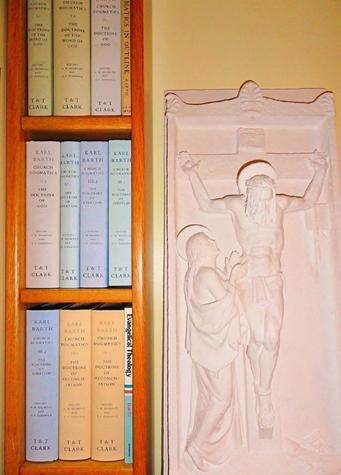
    How do we know we are a Christian? If we obey his commands. How do we know we are in Christ? If our lives are lived in the strength of Christ, our ways of living are modelled on Christ, our character and lifestyle are unmistakable reminders and pointers to the ways of Jesus. That’s how we know we are the real thing and not just cheap imitations of the genuine article. John will keep coming back to this. How do we know we are God’s children? How do we know we are in Christ? How do we know that we are born of God? To walk as Jesus walked, to obey his commands, to align our ways of being with the life, teaching and example of Jesus. (Smudge on top of a bookcase laden with theology, and nearer heaven!)

    Sunday

    1 John 2.6 “Whoever claims to live in him must walk as Jesus walked.”

    “If anyone wants to follow after me, let him deny himself, take up his cross, and follow me.”

    “Come to me, all you who are weary and burdened, and I will give you rest.Take my yoke upon you and learn from me, for I am gentle and humble in heart, and you will find rest for your souls.For my yoke is easy and my burden is light.”

    By this everyone will know that you are my disciples, if you love one another.”

    John the veteran Apostle heard these words of Jesus when they were first spoken. John knows what he is talking about! To walk as Jesus walked is to choose the way of the cross. To walk as Jesus walked is to take on the yoke of discipleship. To walk as Jesus walked is to learn and re-learn every day the life-discipline of love for God and neighbour that will define who we are.

  • Propagating Peace

    Whimsical Haiku
    Looking and longing,
    the world framed as a garden
    propagating peace.

    The photo is a favourite place in Drum Castle Garden, a place where peace can be felt, and prayed and hoped for; where seeds are sown on the long proven assumption that most will grow, and even those that don’t may feed the birds. And so we sow our seeds of peace in direct contradiction to the seeds of conflict, fear, hate and division so extravagantly sown in the fields of our common life.

    These words are my daily strap line these days:
    “May the God of hope fill us with all joy and peace as we trust in him, so that we may overflow with hope by the power of the Holy Spirit.” (Romans 15.13)

  • TFTD, Jan 26-Feb 1. The God We Believe In, and the Faith We Practice.

    Monday

    James 1.5 “If any of you lacks wisdom he should ask God and it will be given to him, for God is a generous giver who neither grudges nor reproaches anyone.”

    James is the one who says faith without works is dead. He is passionate about faith being practical, and his letter is full of ethical guidance. But James always connects ethics with theology. How we behave reflects what we believe about God. God is a generous giver – that means when we pray and ask for wisdom, God’s wise guidance is forthcoming. The fear of the Lord is the beginning of wisdom – to want to please God, to love God through our obedience to his call and command. That is wisdom, and as everything else in our lives as Christians, such wisdom is God’s gracious gift.

    Tuesday

    James 1.19 “Everyone should be quick to listen, slow to speak and slow to become angry, for human anger does not bring about the righteous life that God desires.”

    This week we are exploring how James connects Christian practical living with what we believe about God. What a difference in our closest relationships, the way we are with colleagues at work, the quality of family life, how we get on with the neighbours and those we meet in supermarkets, church or wherever – what a difference – if we took James’ advice about listening, speaking and anger management! “The righteous life that God desires”, is a life that reflects God’s generosity, God’s slowness to anger and quick attentiveness. That too needs wisdom, and is the fruit of the Spirit.

    Wednesday

    James 1.27 “Religion that God our Father accepts as pure and faultless is this: to look after orphans and widows in their distress and to keep oneself from being polluted by the world.”

    Looking after those who are vulnerable is what makes our faith practices acceptable. Sure, prayer, worship, fellowship, witnessing all matter; but they cease to matter much if we don’t notice the folk who are struggling and put ourselves about and use our resources to ‘look after them’. The parable of the Good Samaritan is about looking after someone, being inconvenienced, refusing the get out clause that you can’t solve everyone’s problems. Being polluted by the world undoubtedly includes exactly that kind of self-justification for not being kind. The church is the Body of Christ, a community called to be an extension of God’s generous ‘looking after’.

    Thursday

    James 2.5Has not God chosen those who are poor in the eyes of the world to be rich in faith, and to inherit the kingdom he promised those who love him.” 

    If we live a relatively comfortable life, words like these can feel a bit uncomfortable! James is warning against complacency, when we are getting by fine without God, at least as far as daily bread and life’s necessities are concerned. In God’s economics those who have least trust most. James is insisting that material comfort is not a sign of God’s blessing; and being poor is not a sign of God withholding blessing. Before God we are all poor in spirit. Following Jesus is to acknowledge our poverty, and to trust not in what we have, but in the promise of inheriting the Kingdom of God.  

    Friday

    James 3.9 “With the tongue we praise our Lord and Father, and with it we curse people, who have been made in God’s likeness. My brothers, this should not be!

    You can’t praise God for being generous then curse those made in that God’s image! James has laser accuracy in pinpointing hypocrisy. Often enough it is our words, how we speak of people, that exposes what we think in our mind and feel in our heart. To love God is to love our neighbour. To pray to the generous, righteous God of grace obliges us to speak and think of others generously, justly and with grace. There can be no mismatch between how we speak to God, and how we speak about others!

    Saturday

    James 4.6-7 “God opposes the proud, but gives grace to the humble. Submit yourselves then to God

    Pride comes out in different ways. Arrogance. Superiority. Entitlement. Image. Status. None of that counts in the presence of God. None are entitled, superior or in any other way self-assured. Real confidence in God’s presence has its foundation not in who we are, but in who God is – gracious, righteous, generous and merciful. To kneel before God is to discover a grace in which we stand! James is steeped in the Wisdom of his Jewish heritage – “the fear of the Lord is the beginning of wisdom.”

    Sunday

    James 1.17 “Every good and perfect gift is from above, coming down from the Father of the heavenly lights, who does not change like shifting shadows.”

    Perhaps the best ever comment on this verse is the hymn:

    Great is thy faithfulness, O God, my Father;
    There is no shadow of turning with thee.
    Thou changest not, thy compassions, they fail not;
    As thou hast been, thou forever wilt be.

    Great is thy faithfulness,
    Great is thy faithfulness,
    Morning by morning new mercies I see.
    All I have needed thy hand hast provided;
    Great is thy faithfulness,
    Lord unto me.

  • TFTD Jan 19-25 “If we walk in the light…”

    Monday

    I John 1.5 “This is the message we have heard from him and declare to you: God is light; in him there is no darkness at all.”

    Light dispels darkness; light illuminates our surroundings and is a beacon from which we get our bearings. Light exposes the truth and the reality around us. Light shows us who we are and where we are. Light is also essential for life and its energies, and is the source and resources of all that lives. God is light. John is not making a scientific observation. He is declaring the holy love of God revealed in the coming of Jesus, the Light and Life of the world. Christians are and must be children of light if they are children of God. The final loyalty of the Christian soul is to Christ, the light of God.

    Tuesday

    1 John 1.6 “If we claim to have fellowship with him and yet walk in the darkness, we lie and do not live out of the truth.”

    John understands there is often a mismatch between what any one of us claims and the realities of how we live. To walk in the darkness is to live in a way that contradicts the ways of Jesus; it is to think, act and speak by values other than those of the Kingdom of God. When that happens we are living a lie. To have fellowship with the God who is light, is to be transparent to the gaze of God, and to live with integrity amongst others as a reliable witness to the love of God. Sincerity, integrity, consistency of character – these are the permanent, visible and verifiable hallmarks of those who walk in the light of God’s grace and truth.

    Wednesday

    1 John 1.7 “But if we walk in the light, as he is in the light, we have fellowship with one another, and the blood of Jesus, his Son, purifies us from all sin.”

    The best interpretation of this verse comes from John himself: “This is the verdict: Light has come into the world, but people loved darkness instead of light because their deeds were evil. Everyone who does evil hates the light, and will not come into the light for fear that their deeds will be exposed. But whoever lives by the truth comes into the light, so that it may be seen plainly that what they have done has been done in the sight of God.” (John 3.19-21) At a time when truth is trashed in the public square, the Christian calling is “to walk in the light as He is in the light.”

    Thursday

    1 John 1.7 “But if we walk in the light, as he is in the light, we have fellowship with one another, and the blood of Jesus, his Son, purifies us from all sin.”

    The Christian community is a fellowship of light, not so much a like-minded as light-guided people. The Church is the fellowship of the forgiven, an incendiary fellowship of love, a gathering of grace-touched and grace-transformed sinners. John was writing to resist the mistaken view that Christians can reach spiritual perfection. Not so. Time and again, throughout our lives, in our struggle against sin and to be faithful to the truth and light of Jesus, “the blood of Jesus, God’s Son, purifies us from all sin.” 

    Friday

    1 John 1.8 “If we claim to be without sin, we deceive ourselves and the truth is not in us.” 

    Always the temptation is to think of ourselves as better than we are. Mind you, there is also the temptation to think of ourselves as worse than we are. The pride that thinks we’re beyond those sins that really matter, is closely related to the despair that thinks our sins matter so much they are beyond forgiveness. Both are sins of self-deceit, because neither takes the blood of Jesus, and the full meaning of the Cross seriously. John is as blunt as a good pastor needs to be. None of us are so good we need never ask again for mercy and cleansing; and none of us are so bad that we put ourselves beyond the God of holy love who gives “grace to help in time of need.”

    Saturday

    1 John 1.9 “If we confess our sins, he is faithful and just and will forgive us our sins and purify us from all unrighteousness.”

    To confess is to stand in the light and own what is there to be seen. John the pastor knows the deep and crying need for assurance, to know that the love of God is forgiving of hearts that make no excuses and humbly trust and rest in the promises of God who is faithful and just. God is light. God sees and knows all that is in us and all that comes out of us. God is love, and that love is faithful, just and merciful.  Christian assurance rests not on what we feel, but on God who in the Cross and resurrection of his Son Jesus Christ, has revealed himself to be Life, Light and Love.

    Sunday

    1 John 1.10 “If we claim we have not sinned, we make him out to be a liar and his word is not in us.”

    Yes, John is the writer who so expertly cut that diamond phrase: “God is love.” But it was set alongside the gem of equal value: “God is Light.” God’s love is holy love. God comes to us in Christ as both love and holiness, grace and demand. We love because God first loved us. God in Christ bore the sins of the world, and our sins. We never outgrow our need for God’s grace and mercy; and the Cross will always be the place where we kneel in gratitude, and pray for the sufficient grace of obedient love.

  • TFTD Jan 12-18 The Word of Life

    I John 1.1That which was from the beginning, which we have heard, which we have seen with our eyes, which we have looked at and our hands have touched—this we proclaim concerning the Word of life.”

    How could any of us find words anywhere near adequate to describe the Word of Life? Put another way, how can ordinary human speech tell the story of the divine Word, revealed in a walking, talking, flesh and blood person? The elderly Apostle John gave it his best shot in the Fourth Gospel and in this letter. He starts at the beginning. He starts with the One who was from the beginning. Jesus is the invasion of God’s grace and glory into God’s creation. In Jesus, the Word of Life, God intrudes into Creation to fulfil God’s eternal purpose through reconciling love.

    Tuesday

     I John 1.1That which was from the beginning, which we have heard, which we have seen with our eyes,”

    Jesus came proclaiming the good news of the Kingdom of God. (Mk 1.14) It doesn’t take a red-letter edition of the Gospels to remind us that hearing and obeying Jesus words is the essence of discipleship. Those words, “That which we have heard” are triggered by John’s memories of Jesus’ spoken words. Imagine John, late in life, remembering back half a century as if it was yesterday, that first hearing of the voice of the Eternal Word speaking the words of life. “Come to me all who are weary and burdened.” “I am the bread of life.” “Take and eat; this is my body given for you.” In 2026 why not gather a few of Jesus words, read them afresh, and pray them?

    Wednesday

     1 John 1.1That which was from the beginning, which we have heard, which we have seen with our eyes, which we have looked at and our hands have touched…”

    Jesus, seen and heard. Not only Jesus’ words, but his actions, his way of being with and for others. John’s memory was full of long held images: of Legion named and rescued; of hungry folk fed out of an abundance of he knew not what; of water into wine and tears into laughter. And even more, they had touched Jesus, rubbed shoulders, embraced in friendship, shared in meals, walked 500 miles and then 500 more! The truth is, John wants his readers to be infected with love for Jesus, caught up into the truth of who Jesus is, and through Jesus learn what the heart of God is.

    Thursday

    1 John 1.1 “…this we proclaim concerning the Word of life.”

    The Gospel, the good news of God in Christ, is to be made known, announced, advertised. In Colossians Paul says abruptly “Him we proclaim.” Yes we need words, but our words proclaim the Word. Jesus is the message – the eternal Word incarnate, crucified Son of God, risen and coming Lord. Yes we must find the most effective and faithful ways of making known the good news in Jesus. Jesus is God’s Word of Life in a world where sin brings death; Jesus is the Light of God in a darkened world. John’s great text, “God is love”, is spoken and enacted in the crucified and risen Jesus.

    Friday 

    1 John 1.2 “The life appeared; we have seen it and testify to it, and we proclaim to you the eternal life, which was with the Father and has appeared to us.”

    We have just come through Advent and Epiphany, the Church’s annual reminder that the life and light of all creation appeared in the birth of a child. John is testifying that he has seen the light and been in the company of the Word of Life. Every Christians is one who has come to know that God has appeared in Jesus, and through our trust in Jesus we too have seen and come to know the love of God, the forgiveness of sin, and the joy and hope of eternal life. John is passionately sure that in the appearance and coming of the Word of life, in the birth and ministry and death and resurrection of Jesus, God’s love is as real as it gets. John heard, and saw, and touched, and kept company with Jesus, the One who is the full and complete exposition of God and the ways of God with the world. “The Word became flesh –Jesus – Immanuel, God with us.

    Saturday

    I John 1.3 “We proclaim to you what we have seen and heard, so that you also may have fellowship with us.” 

    Fellowship is a strong multi-stranded cord. It can mean partnership in the Gospel; togetherness in prayer and worship before the Father, through the Spirit, in the name of the Son; shared experience and convictions about Jesus as Saviour and Lord; or care and love in supporting and looking after one another. In the New Testament ‘one another’ is a code word for the mutuality of the Christian community. The Apostle John just goes on and on about love as the barcode of belonging to Jesus because he knows that those who are in the fellowship of Christ display that prize fruit of Christian existence. And it comes about by loving as we have first been loved, by seeing and hearing and being in the company of the living Christ.

    Sunday

    1 John 1.4 “And our fellowship is with the Father and with his Son, Jesus Christ. We write this to make our joy complete.

    And that fellowship is established and sustained by the power of the Spirit as in Christ we are drawn into the communion of love that is the Triune God. Joy is one of the fundamental dispositions of those united to Christ and drawn into fellowship with the Father. The Apostle John, possibly the beloved disciple, has been entrusted with the good news of eternal life. Now as a conscientious pastor he is keen to draw these communities of God’s people into deep, and durable, and joyful fellowship with the one God, Father, Son and Holy Spirit. That’s how important this letter is to the disciple who wrote it, to the disciples who received it, and to you and I who now read it and seek the Living Lord who still speaks through it. Now re-read 1 John 1.1-4 and give thanks for the Word of Life.

  • Jesus, My All in All Thou Art.

    Monday

    Thou hidden source of calm repose,
    Thou all-sufficient love divine,
    my help and refuge from my foes,
    secure I am, if Thou art mine;
    And lo! From sin and grief and shame

    I hide me, Jesus, in Thy name.

    On a path, walking along St Cyrus beach in early spring, these three daisies. They spoke to me then, as now. On a busy path no one had stood on them. Jesus spoke of the flowers as signals of God’s provision, as arguments against anxiety. Those first two lines of Charles Wesley’s hymn could have been on an 18th Century T-shirt! Calm because God’s love is all-sufficient! The source of Christian security, contentment and peace is the love of God in Jesus. The whole verse is a celebration of the security found in the all-sufficient love and power of the name of Jesus.

    Tuesday

    Thy mighty name salvation is,
    and keeps my happy soul above;
    comfort it brings, and pow’r and peace,
    and joy and everlasting love;
    to me, with Thy dear name, are giv’n
    pardon and holiness and heav’n.

    Following a huge storm, the old groynes were exposed on Aberdeen beach. Standing at a particular angle I noticed the shape of the cross, and with a heart on the cross-beam. I’ve always thought of this photo as sheer gift – the groynes were covered again not long after. The power of the North Sea still evident in this photo, surrounding the cross, is an always reminder that we are saved and held by the power of God. Again, Wesley simply pours ideas into six lines of lyrical praise of the power of God’s love in Christ, revealed on the cross, and available to believing hearts who call on Jesus’ name.

    Wednesday

    Jesus, my all in all Thou art;
    my rest in toil, my ease in pain,
    the healing of my broken heart,
    in war my peace, in loss my gain,
    my smile beneath the tyrant’s frown,
    in shame my glory and my crown.

    Just before Christmas I completed a tapestry based on Romans 5.5. “Hope does not put us to shame, because God’s love has been poured out into our hearts through the Holy Spirit, who has been given to us.” It tries to show God’s love poured out upon the world in the gift of his Son, God’s love poured into our hearts by the Holy Spirit, God’s gift. No wonder Wesley was so easily carried away in praise, ransacking the Bible and his vocabulary for words sufficient to the task of explaining the Divine love that captures human hearts like ours. The name of Jesus is the guarantee of a grace and love that adapts to every human need – many of which Wesley spells out here!

    Thursday

    In want my plentiful supply,
    in weakness my almighty pow’r,
    in bonds my perfect liberty,
    my light in Satan’s darkest hour,
    my help and stay whene’er call,
    my life in death, my heav’n, my all.

    Photo taken on the road to Montrose just as the oilseed flowers were at their brightest! The sheer abundance of flowers, the extravagance of colour, the promise of harvest. When Wesley got to writing about Jesus he couldn’t say everything that was in his heart – but not for want of trying! This whole hymn is a masterpiece of condensed devotion. The full register of human experience, the spectrum from grief to joy and from shame to forgiveness, from bonds to the perfect freedom of the children of God – Jesus fulfils every need, hears every cry. In words of another Wesley hymn Jesus’ name is life and health and peace.

    Friday

    In heav’nly love abiding,
    no change my heart shall fear;
    and safe is such confiding,
    for nothing changes here.
    The storm may roar without me,
    my heart may low be laid,
    but God is round about me,
    and can I be dismayed?

    ‘The Stilling of the Tempest’ is by a Chinese artist and translates this Gospel story into a Chinese image. This is a powerful picture of Jesus, standing on the prow of the ship, the disciples struggling to stay afloat and some of them clinging to Jesus. Christian faith in God holds firmly to two things; the presence and strength of Jesus, and the reality that in life storms come that would otherwise overwhelm us. To abide in the love of God, and to know that Christ abides with us as risen Lord, that’s the force of that small word ‘but’. “But God is round about me, and can I be dismayed?”

    Painting by Monika Liu Ho-Peh, (1950s). Note that Jesus stands in a prominent position, arms outstretched in blessing and command as crucified and risen Lord.

    Saturday

    Wherever He may guide me,
    no want shall turn me back;
    my Shepherd is beside me,
    and nothing can I lack.
    His wisdom ever waketh;
    His sight is never dim.
    He knows the way He taketh,
    and I will walk with Him.

    Taken some years ago on a long hike up Glen Dye. That path goes for miles into the lower Highlands. To commit our lives to following Jesus is to agree to go on a long hike, and into unfamiliar territory! Like sheep we have a shepherd, like hikers we are wise enough to go with a guide where we don’t have a map. This simple hymn states in words of one syllable (occasionally two!) the truths that make this long hike worth the effort, and one we take with confidence: “He knows the way He taketh, and I will walk with Him.” The doctrine of Providence can become very complicated in theory; in practice our belief that God sees and prepares for what lies ahead in our lives is based on our trust in Jesus: “My Shepherd is beside me, and nothing can I lack.”

    Sunday

    Green pastures are before me
    which yet I have not seen.
    Bright skies will soon be o’er me,
    where dark the clouds have been.
    My hope I cannot measure;
    my path to life is free.
    My Saviour is my treasure,
    and He will walk with me.

    This sheep had no intention of being scared off its green pasture! The echoes of Psalm 23 are easy to hear in this hymn, not least because it breathes the same fresh air of trust and confidence. This verse looks forward, knowing there are green pastures but also valleys of darkness, and that life is a long journey on unfamiliar paths. No promises that there will only be bright skies. But even under dark clouds our hope and freedom are fixed on a secure future as we abide in the heavenly love of God in Christ: “My Saviour is my treasure, and He will walk with me.”